The cost of living in the United States has increased significantly over the past several years. Many households are now facing higher expenses across essential categories such as housing, food, transportation, and healthcare. As a result, even individuals with stable incomes are experiencing increased financial pressure.
Understanding where these rising costs are coming from and how to respond strategically can help you better manage your finances and maintain long-term stability. In this guide, CreditNinja examines these rising costs and offers strategies to help you manage financially.
How Much Has the Cost of Living Increased?
While inflation has cooled from its peak in 2022, prices remain elevated across most categories. Since 2020, overall consumer prices have risen significantly, increasing the cost of everyday goods and services.
Even as inflation slows, higher baseline prices mean households continue to feel the impact. In fact, according to BankRate’s Financial Outlook Survey, about 32% of Americans expect their financial situation to worsen in the near future.
Housing Costs Are the Primary Driver
Housing remains the largest expense for most Americans and one of the biggest contributors to rising costs.
Higher interest rates and limited housing supply have made both renting and buying more expensive. Mortgage rates have more than doubled since 2020, significantly increasing monthly payments for new buyers.
At the same time, affordability challenges have pushed more people into the rental market, increasing demand and keeping rent prices elevated.
Why Housing Costs Keep Rising
Several factors are contributing to higher housing costs:
- Higher borrowing costs due to rising interest rates.
- Limited housing supply in many regions.
- Increased demand for rentals as homeownership becomes less accessible.
Affordability remains a major concern and is expected to continue impacting consumers in the coming years.
Rising Everyday Expenses
In addition to housing, everyday living costs have increased across multiple categories.The Consumer Price Index shows continued increases in essential categories such as food, energy, and medical care.
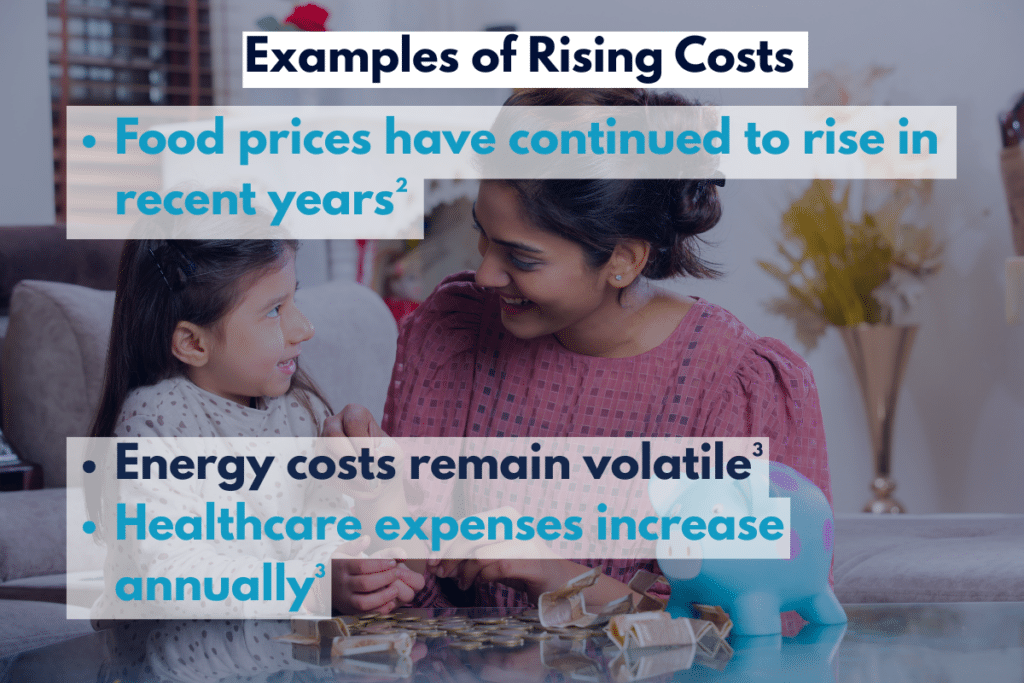
These increases compound over time, making routine expenses more difficult to manage.
Why Costs Still Feel High, Even as Inflation Slows
A common misconception is that lower inflation means lower prices. In reality, inflation measures the rate of increase, not the overall price level.
This means:
- Prices are still rising, just more slowly.
- Most goods and services remain more expensive than a few years ago.
Additionally, wage growth has not consistently kept pace with rising costs, contributing to ongoing financial strain.
The Current Job Market
The labor market has shifted from a period of strong demand to a more balanced and uncertain environment.
Economic indicators suggest slower hiring and increased caution among employers.
This shift may lead to:
- Increased competition for jobs.
- Slower wage growth.
- Reduced confidence in job mobility.
Preparing for Economic Uncertainty
Given the possibility of continued economic pressure, preparation is essential.
Recommended Steps
- Build an emergency fund covering three to six months of expenses.
- Keep your resume updated and ready.
- Develop transferable skills to remain competitive.
Taking proactive steps can reduce financial risk and improve long-term stability.
Managing Debt in a High-Rate Environment
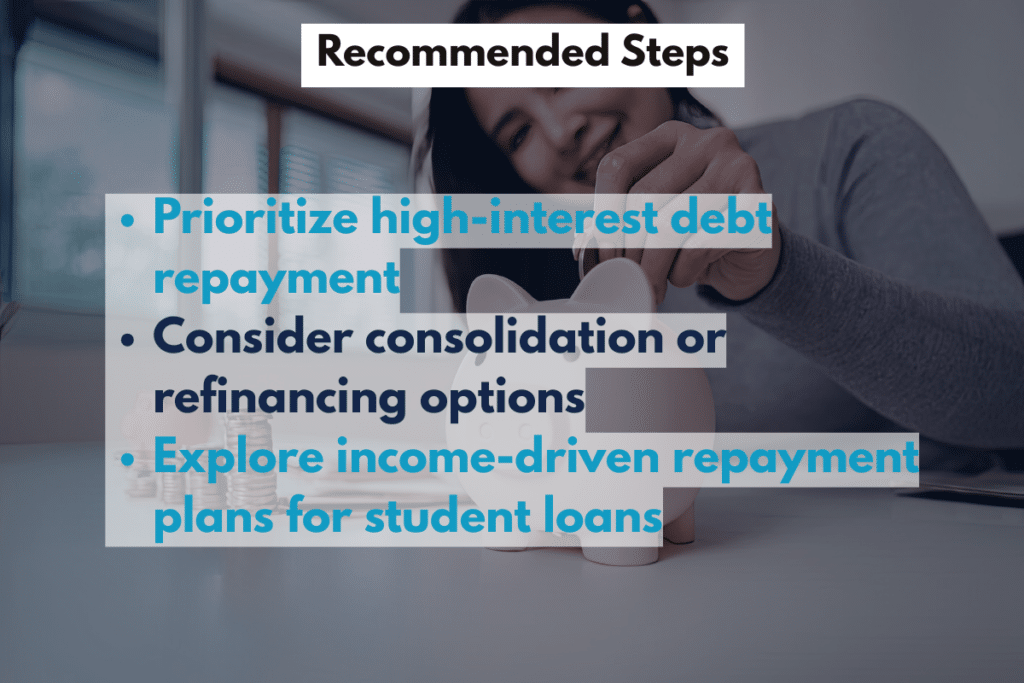
Rising interest rates have made borrowing more expensive, particularly for credit cards and personal loans.
Total U.S. credit card debt has reached record levels, reflecting increased reliance on credit as living costs rise.
Higher interest rates also mean that carrying balances is more costly than in previous years.
Leveraging Higher Savings Rates
One positive development is the increase in savings account interest rates.
Many high-yield savings accounts now offer higher returns than in previous years, helping savers grow their emergency funds more efficiently.
While these returns are modest, they can help offset inflation and improve overall financial resilience.
Final Thoughts
Rising costs across housing, food, and transportation have created meaningful financial challenges for many households. These increases are driven by a combination of inflation, higher interest rates, and supply-and-demand imbalances.
Although broader economic conditions may remain uncertain, focusing on controllable financial decisions can improve stability over time. Reducing discretionary spending, managing debt strategically, building savings, and preparing for potential income disruptions are all essential steps.
A structured and proactive approach can help maintain financial resilience—even in a higher-cost environment.
Check out the CreditNinja dojo for topics like Why Americans Feel Poorer in 2026: Key Economic Factors Explained, and more!
References
- Bankrate | Financial Outlook Survey
- U.S. Bureau of Labor Statistics | Consumer Price Index (CPI)
- U.S. Department of Labor | Consumer Price Index Summary
- Morgan Stanley | U.S. Economic Outlook 2026
- Stanford Institute for Economic Policy Research | U.S. Economy 2026: What to Watch
- Federal Reserve Bank of St. Louis | FRED Economic Data
- U.S. Census Bureau | Housing and Household Economic Data
- Credit Card Debt | Yahoo Finance