
Financial Education

Understanding Credit Score Ranges

Your credit score is more than just a number—it’s the key to your financial future. Discover what your score means and how to improve it.

Credit Score Ranges

Credit scores are a three-digit number representing how well individuals manage their money. The higher your score, the better you are with your finances. Lenders use this number to determine whether you qualify for loans, credit cards, and other financial products.

Here’s a simple breakdown of each specific category of credit score. You can start to improve your financial situation when you determine where you land within the following categories:
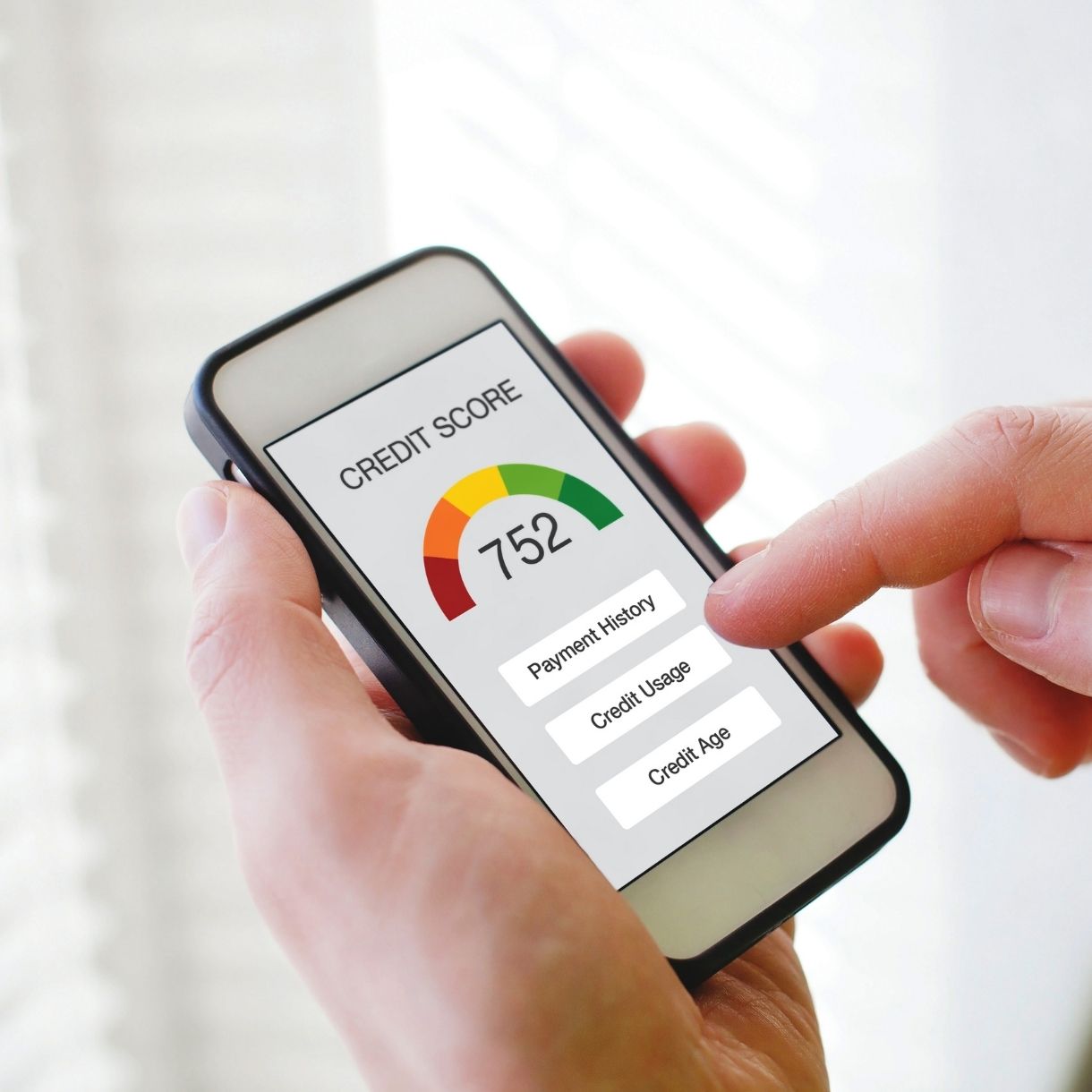
Credit score shown in a mobile banking app
Categories of Credit Scores
Score Range
Perfect Credit
800-850
Excellent Credit
750-799
Good Credit
700-749
Fair Credit
640-699
Poor Credit
571-639
Very Poor Credit
500-570
Bad Credit
300-499

What Factors Affect Your Overall Credit Scores?

Understanding the components that make up your score is the first step to mastering it.
35%

Payment History

A record of past bill payments
30%

Credit Utilization

Current debt against available credit
15%

Length of Credit

Age of credit accounts
10%

Credit Mix

Diversity of credit accounts
10%

New Credit

Amount of hard credit inquiries

Detailed Breakdown by Score

800 - 850

Perfect Credit

The holy grail of credit. Only a small fraction (about 23%) reach this score range. It unlocks the absolute best rates and terms.
Lowest possible interest rates
Premium credit card offers
Learn more about your score →
750 - 799

Excellent Credit

Excellent credit gives you access to some of the top rates and terms available. You're in a prime position to receive lower interest rates and premium credit offers.
Low rates and premium card offers
24% of Americans are here
Learn more about your score →
700 - 749

Good Credit

You're in a strong position. While not at the very top, you have a good grasp on your financial situation and qualify for competitive loans.
Competitive loan offers
17% of population falls here
Learn more about your score →
640 - 699

Fair Credit

On the right track, but room for improvement. You'll find reasonable offers, but the best ones might be just out of reach.
Reduce overall debt to improve
12% of Americans are here
Learn more about your score →
571 - 639

Poor Credit

Interest rates will be higher and credit options limited. It's not the end of the road, but requires immediate attention to payment habits.
Higher interest rates likely
Limited credit options
Learn more about your score →
500 - 570

Very Poor Credit

Very poor credit is a tough spot. It limits your financial options significantly, but it's still possible to improve your situation.
Traditional loans are hard to get
7% of Americans are here
Learn more about your score →
400 - 499

Bad Credit

A red flag in financial realm. Usually indicates missed payments or defaults. It may be wise to talk to a credit counselor.
Difficulty getting approvals
Requires significant repair work
Scores in this range
Learn more about your score →
300 - 399

Very Bad Credit

Reflects significant mishaps. You likely won't be able to get many financial products until you improve your score drastically.
Immediate attention needed
Only 2% of Americans are here
Scores in this range
Learn more about your score →

Key Takeaways on Your Credit Score & Credit Report

What Are Credit Scores and Why Do They Matter?

A credit score is a numerical representation of your creditworthiness, based on your credit history. It's crucial because it influences lenders' decisions on whether to extend credit or loans to you.

How are Credit Scores Created?

Credit scores are calculated using data from your credit reports. The main factors include payment history, credit utilization, and recent credit inquiries.

Maintaining a Healthy Score

Consistently paying bills on time and keeping credit card balances well below the limits are critical for a good score. High utilization can lower your score.

The Impact of Your Credit Score

Your credit score can affect your ability to get loans, credit cards, and even influence non-lending situations like rental agreements and employment opportunities.
FAQ'S

Frequently Asked Questions

Everything you need to know about our loans.

Generally, unsecured loans are offered up to $5,000. However, your resident state will affect both the minimum and maximum loan amounts offered, in addition to whether your loan will be directly made by CreditNinja or arranged by one of our FDIC-insured banks or other non-affiliated lenders.

Your funds will be deposited directly into your checking account via direct deposit.

An installment loan is a loan where you borrow a lump sum of money up front and pay it back in fixed amounts over a set period of time. The installment loans are fully amortizing, meaning that you will pay off all principal and interest by the maturity date if you pay the loan as scheduled according to your loan agreement.

Applications approved before 10:30 a.m. CT Monday – Friday are generally funded the same business day.* Applications approved after this time are generally funded the next business day. Some applications may require additional verification, in which case the loan, if approved, will be funded the business day after such additional verification is completed.

CreditNinja loans are ideal for unexpected financial emergencies. Many CreditNinja customers use our installment loans for a wide range of expenses including: medical bills, home and appliance repairs, overdue bills or rent, and auto repairs, to name a few.

CreditNinja stands out by offering a safe alternative for borrowers who are struggling financially. Apply online in minutes, get a decision, and if approved, your funds will be directly deposited into your bank account. Plus, our friendly and helpful customer service team is here to assist you every step of the way.

Still have questions? Our team is here to help.
Our customer service team is available between 8 a.m. and 6 p.m. CT to help answer any questions.

Quick and easy Personal Loans up to $5,000*

Don’t let unplanned expenses ruin your budget. Apply today and get back on track.